FEATURES

Resume Building at Lightning Speed with AI

Discover how our AI-powered features can help you build your resume in just minutes:

🤖

AI Writing Assistant

AI at your fingertips: improve, rewrite, shorten, or expand any section of your resume with one click. Instant polish, no guesswork.

🎯

AI Bullet Point Generator

Just enter your job title and get a curated list of high-impact bullet points you can pick and apply instantly.

💡

AI Summary & Skills Generator

Type your role and choose from tailored summaries and hard skills—perfectly phrased and ready to drop into your resume. Cisco IT Essentials Virtual Desktop and Laptop 4

📝

AI Smart Resume Import

Upload your old resume and our AI will extract, clean up, and modernise it—no need to start from scratch.

🔍

AI Resume Keyword Matcher

Paste the job ad for your dream role and get a CV tailored to it and increase your chances of getting hired. Teaches foundational PC hardware and software concepts for

😍

Build Your Resume for Free

Create your perfect resume for free. Pay a small fee to download when you’re ready to apply with confidence.

💼

Optimised for ATS

We make sure your CV plays nice with Applicant Tracking Systems, so it gets through the filters and seen by real decision-makers. Installed CPU onto motherboard socket

🔒

Privacy Friendly

Your data stays with you. We don't store your resume information; all of it is saved locally on your device for your peace of mind.

No Sign-Up Required

Forget those other complex, time-consuming resume builders. With us, dive right into creating your resume – just easy, quick resume building.

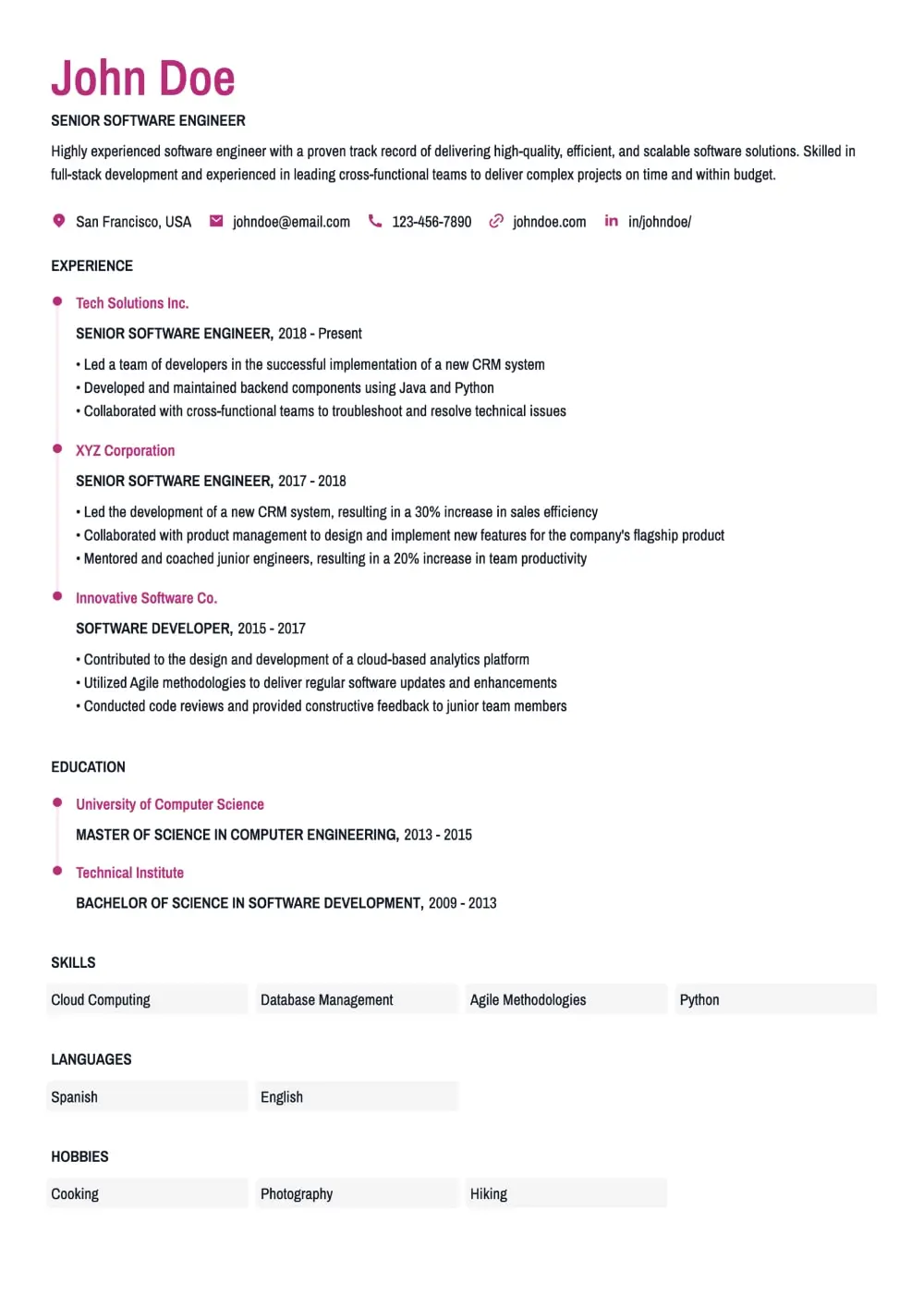
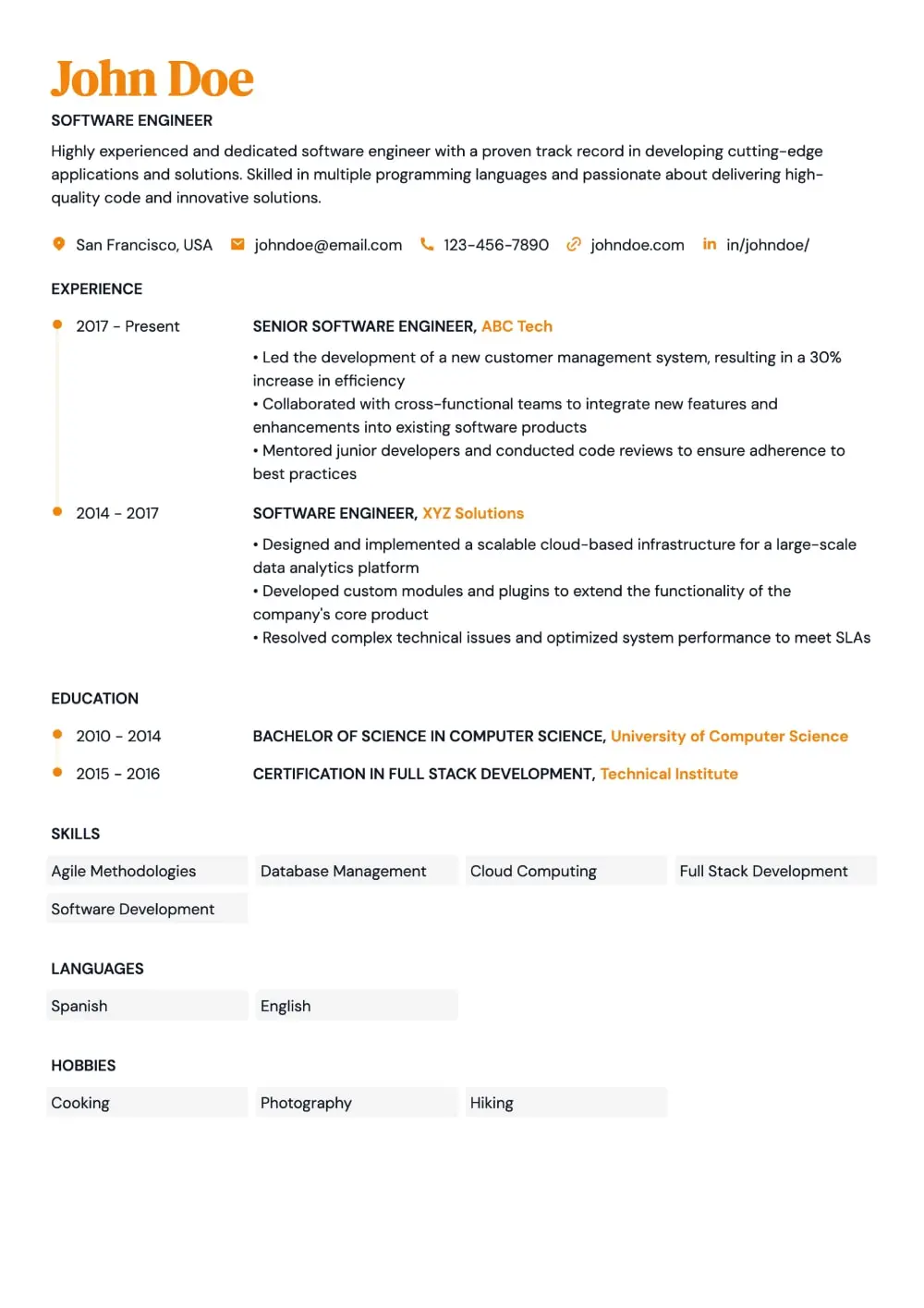
Fully Customisable Templates

The Only Resume Templates You Will Ever Need 🎨

Tired of scrolling through countless mediocre templates on other platforms? We get it.

That’s why we’ve done the hard work for you — curating a set of beautifully designed templates that are easy to read and 100% customisable to fit any country, industry, or hiring style.

Split
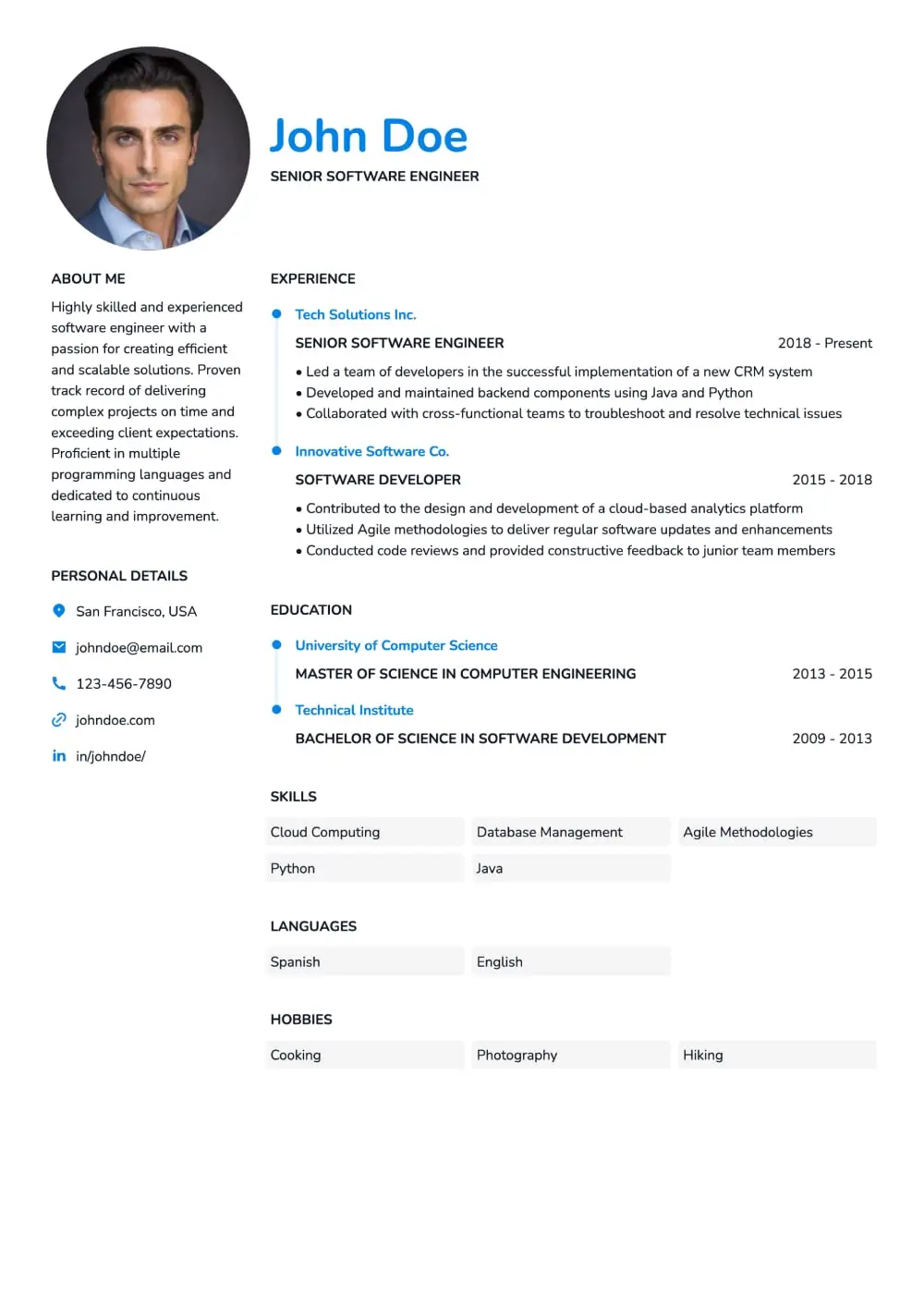
A4 resume template, split layout
Classic
A4 resume template, classic layout
Hybrid
A4 resume template, hybrid layout

Cisco IT Essentials Virtual Desktop and Laptop 4.1 is a legacy interactive simulation tool designed to teach hardware assembly fundamentals through 3D desktop and laptop environments. Originally released around 2010 as part of the IT Essentials v4.1 curriculum, this Flash-based software features learn, test, and explore modes for assembling PC components.

30.4.2010

A recent reupload (dated ) of this interactive simulator has surfaced in archived forums, and it’s time we take a look back at why this tool was essential—and why it might still be useful for beginners today.

  1. Installed CPU onto motherboard socket, applied thermal paste, attached heat sink/fan.
  2. Installed RAM into correct DIMM slots (matching color coding for dual channel).
  3. Mounted motherboard into chassis using standoffs.
  4. Installed power supply and connected 24-pin main power, 4-pin CPU power, SATA power.
  5. Connected front panel connectors (Power SW, Reset SW, HDD LED, Power LED).
  6. Installed SATA hard drive and DVD drive.
  7. Connected monitor, keyboard, mouse.
  8. Booted system – verified POST (Power-On Self Test).
  9. Entered BIOS – set correct date/time, boot order (optical drive first, then HDD).

Get Started Today! 📝✨

Create CV With AI
#1 Product of the Week on Product Hunt
Independent EU-based service. By pressing "Create CV With AI" you agree to our Terms

Cisco It Essentials Virtual Desktop Pc Laptop 4.1 -reupload 30.4.2010- !free!

Cisco IT Essentials Virtual Desktop and Laptop 4.1 is a legacy interactive simulation tool designed to teach hardware assembly fundamentals through 3D desktop and laptop environments. Originally released around 2010 as part of the IT Essentials v4.1 curriculum, this Flash-based software features learn, test, and explore modes for assembling PC components.

30.4.2010

A recent reupload (dated ) of this interactive simulator has surfaced in archived forums, and it’s time we take a look back at why this tool was essential—and why it might still be useful for beginners today.

  1. Installed CPU onto motherboard socket, applied thermal paste, attached heat sink/fan.
  2. Installed RAM into correct DIMM slots (matching color coding for dual channel).
  3. Mounted motherboard into chassis using standoffs.
  4. Installed power supply and connected 24-pin main power, 4-pin CPU power, SATA power.
  5. Connected front panel connectors (Power SW, Reset SW, HDD LED, Power LED).
  6. Installed SATA hard drive and DVD drive.
  7. Connected monitor, keyboard, mouse.
  8. Booted system – verified POST (Power-On Self Test).
  9. Entered BIOS – set correct date/time, boot order (optical drive first, then HDD).