
's entertainment landscape in 2026 is a high-growth, digital-first industry characterized by a "Living Heritage" philosophy . The market is projected to reach US$41 billion by 2029 , growing at nearly double the global average Canada-ASEAN Business Council 🎵 Music: The Heart of Popular Culture

Dangdut:

Often called the "music of the people," Dangdut blends Malay, Arabic, and Hindustani influences. It remains a staple at every social level, with modern "Dangdut Koplo" often featuring high-energy beats and viral dance moves. Indonesian Pop (I-Pop): Local artists like Isyana Sarasvati

Indonesian popular culture is a vibrant and chaotic mirror reflecting the nation’s unique motto: Bhinneka Tunggal Ika (Unity in Diversity). As the world’s largest archipelagic state and the fourth most populous nation, Indonesia has forged an entertainment landscape that is simultaneously deeply rooted in tradition and aggressively modern. From the soulful strains of dangdut to the global dominance of NCTzen fandom, and from the heartbreaking soap operas ( sinetron ) to the blockbuster phenomenon of The Raid films, Indonesian entertainment is a complex negotiation between local identity, Islamic values, and global cultural flows.

One of the most significant aspects of Indonesian entertainment is its music scene. Indonesian music, known as "musik Indonesia," has a long history and has been shaped by various cultural influences, including traditional Indonesian music, Western music, and Islamic music. In the 1950s and 1960s, Indonesian music was characterized by the emergence of genres such as dangdut, a fusion of traditional Indonesian music with Western-style pop music. Today, Indonesian music continues to evolve, with popular genres such as pop, rock, and hip-hop gaining widespread popularity.

To understand modern Indonesian entertainment, it's essential to look back at its traditional roots. For centuries, traditional arts like wayang kulit, gamelan music, and various regional dances have been the primary forms of entertainment. These art forms are not just for amusement but often carry deep spiritual and educational significance, telling stories from Hindu epics like the Ramayana and Mahabharata or local folklore.

Simultaneously, Indonesia has a thriving "Indie" and Pop scene. Artists like Tulus, Raisa, and Rich Brian (who gained fame via the internet and moved into the global hip-hop scene) represent the modern face of Indonesian music. This duality—honoring local roots while embracing global sounds—is a hallmark of the Indonesian ear. Digital Transformation and Influencer Culture

Recent Posts

Download Koleksi Bokep Indo New ((new)) May 2026

's entertainment landscape in 2026 is a high-growth, digital-first industry characterized by a "Living Heritage" philosophy . The market is projected to reach US$41 billion by 2029 , growing at nearly double the global average Canada-ASEAN Business Council 🎵 Music: The Heart of Popular Culture

Dangdut:

Often called the "music of the people," Dangdut blends Malay, Arabic, and Hindustani influences. It remains a staple at every social level, with modern "Dangdut Koplo" often featuring high-energy beats and viral dance moves. Indonesian Pop (I-Pop): Local artists like Isyana Sarasvati download koleksi bokep indo new

Indonesian popular culture is a vibrant and chaotic mirror reflecting the nation’s unique motto: Bhinneka Tunggal Ika (Unity in Diversity). As the world’s largest archipelagic state and the fourth most populous nation, Indonesia has forged an entertainment landscape that is simultaneously deeply rooted in tradition and aggressively modern. From the soulful strains of dangdut to the global dominance of NCTzen fandom, and from the heartbreaking soap operas ( sinetron ) to the blockbuster phenomenon of The Raid films, Indonesian entertainment is a complex negotiation between local identity, Islamic values, and global cultural flows. 's entertainment landscape in 2026 is a high-growth,

One of the most significant aspects of Indonesian entertainment is its music scene. Indonesian music, known as "musik Indonesia," has a long history and has been shaped by various cultural influences, including traditional Indonesian music, Western music, and Islamic music. In the 1950s and 1960s, Indonesian music was characterized by the emergence of genres such as dangdut, a fusion of traditional Indonesian music with Western-style pop music. Today, Indonesian music continues to evolve, with popular genres such as pop, rock, and hip-hop gaining widespread popularity. Indonesian Pop (I-Pop): Local artists like Isyana Sarasvati

To understand modern Indonesian entertainment, it's essential to look back at its traditional roots. For centuries, traditional arts like wayang kulit, gamelan music, and various regional dances have been the primary forms of entertainment. These art forms are not just for amusement but often carry deep spiritual and educational significance, telling stories from Hindu epics like the Ramayana and Mahabharata or local folklore.

Simultaneously, Indonesia has a thriving "Indie" and Pop scene. Artists like Tulus, Raisa, and Rich Brian (who gained fame via the internet and moved into the global hip-hop scene) represent the modern face of Indonesian music. This duality—honoring local roots while embracing global sounds—is a hallmark of the Indonesian ear. Digital Transformation and Influencer Culture
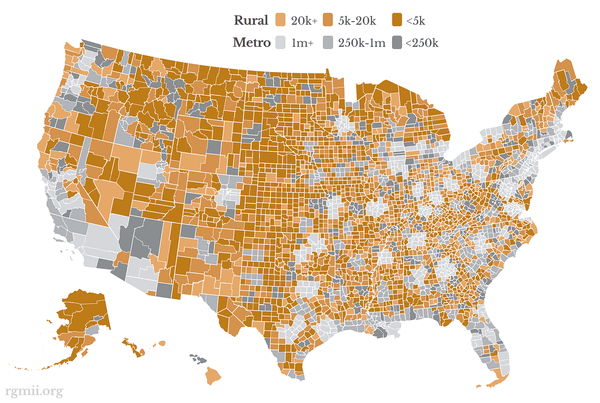
map of the United States via rgmii.org showing all 3,143 counties by rural (gold) / metro (grey) and population

Launching The Rural Guaranteed Minimum Income Initiative

It's been a year since I invited Americans to join us in a pledge to Share the American Dream: 1. Support organizations you feel are effectively helping those most in need across America right now. 2. Within the next five years, also contribute public dedications of time or

By Jeff Atwood ·
Comments
Let's Talk About The American Dream

Let's Talk About The American Dream

A few months ago I wrote about what it means to stay gold — to hold on to the best parts of ourselves, our communities, and the American Dream itself. But staying gold isn’t passive. It takes work. It takes action. It takes hard conversations that ask us to confront

By Jeff Atwood ·
Comments
I’m feeling unlucky... 🎲   See All Posts