Next Gen Gone Wild 3 Evil Angel 2024 Xxx Web Install !!install!! (PC)
Easily manage and swap NVIDIA DLSS versions for optimal gaming performance
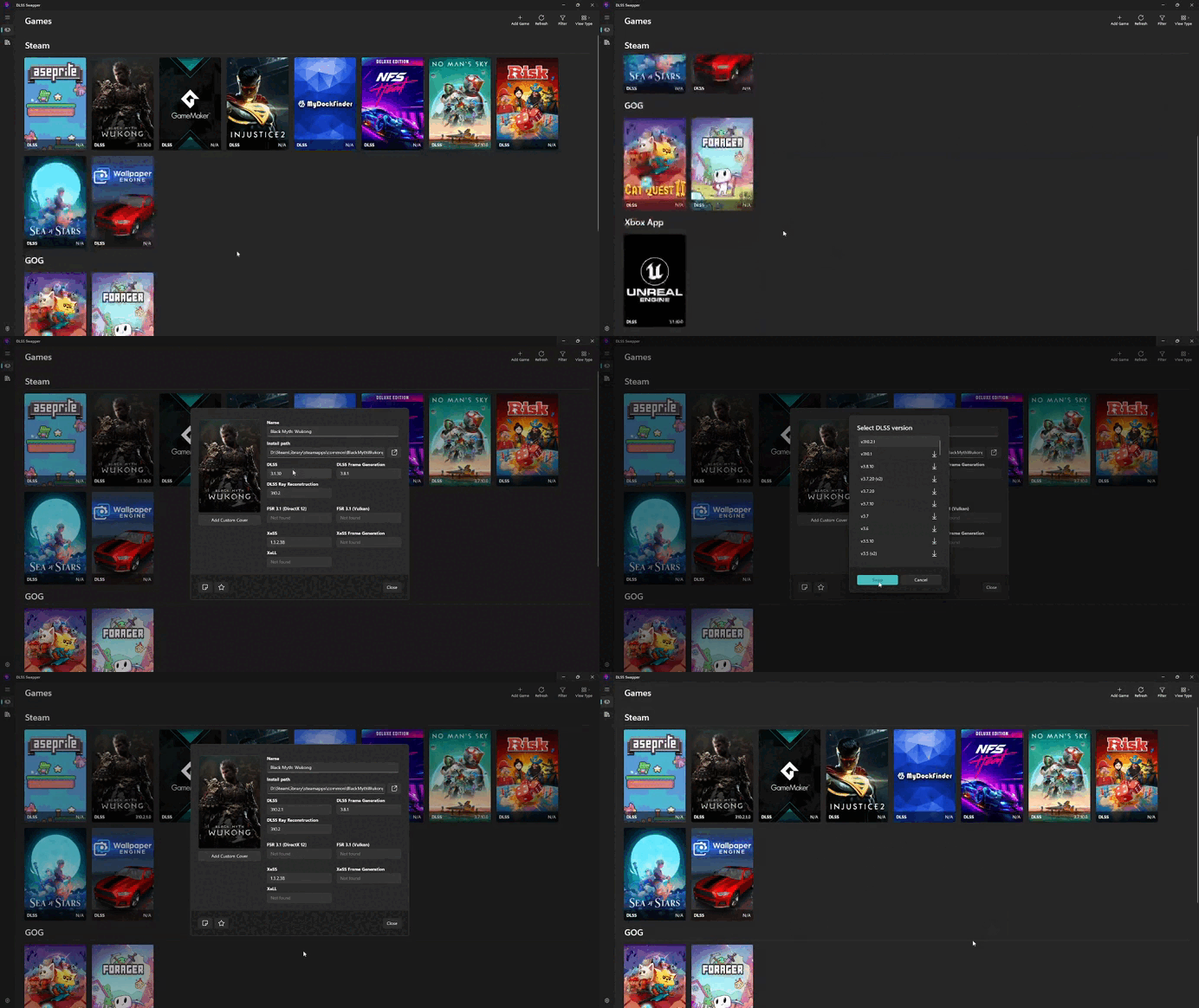
Easily manage and swap NVIDIA DLSS versions for optimal gaming performance
DLSS Swapper is an open-source tool designed to allow users to easily swap between different versions of NVIDIA's Deep Learning Super Sampling (DLSS) technology in games. This tool enables gamers to optimize their gaming experience by upgrading or downgrading the DLSS version used in a game, which can improve performance, image quality, or compatibility.
What sets DLSS Swapper apart is its comprehensive support for multiple upscaling technologies. Beyond NVIDIA DLSS, it also supports AMD FSR 3.1 and Intel XeSS upscaling libraries, making it a versatile tool for managing various upscaling technologies in games.
Traditional stardom is being challenged by —AI-driven virtual idols with unique personalities that model, act, and interact with fans in real-time. These AI entities, such as those developed by studios like Xicoia, offer a flexible and affordable alternative for studios, though they continue to spark debates over human creativity and intellectual property rights. Modular Storytelling & the Attention Economy
often highlight its "edgier" tone and technical achievement—being entirely produced using the open-source software Visual Craftsmanship
AI-powered virtual actors and "synthetic idols" are beginning to carve out independent careers in acting and modeling, offering studios flexible, 24/7 "talent" that can interact with fans in real-time.
Go to DLSS-Swapper.Com and download the latest version. Choose between an installer or portable version.
Run the installer for a full installation, or extract the portable version to any folder of your choice. next gen gone wild 3 evil angel 2024 xxx web install
Launch the application and it will automatically detect your installed DLSS-enabled games. The Evolution of Entertainment: A Review of Next-Gen
Select a game, choose your preferred DLSS version, and click to apply the changes. offering studios flexible
Traditional stardom is being challenged by —AI-driven virtual idols with unique personalities that model, act, and interact with fans in real-time. These AI entities, such as those developed by studios like Xicoia, offer a flexible and affordable alternative for studios, though they continue to spark debates over human creativity and intellectual property rights. Modular Storytelling & the Attention Economy
often highlight its "edgier" tone and technical achievement—being entirely produced using the open-source software Visual Craftsmanship
AI-powered virtual actors and "synthetic idols" are beginning to carve out independent careers in acting and modeling, offering studios flexible, 24/7 "talent" that can interact with fans in real-time.