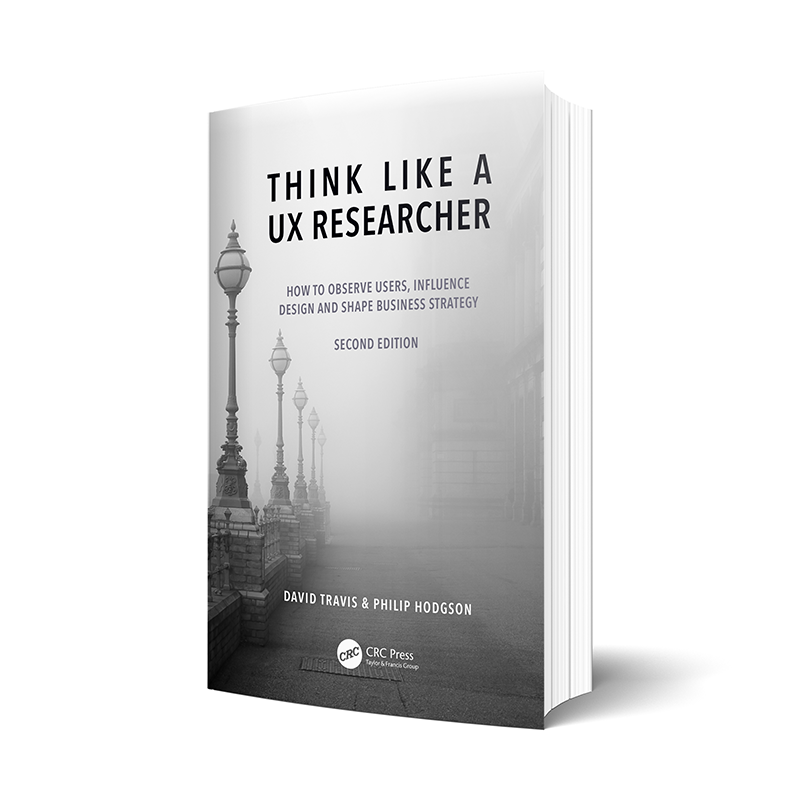
Think Like a UX Researcher: How to observe users, influence design, and shape business strategy
In this newly revised Second Edition, you'll find six new essays that look at how UX research methods have changed in the last few years, why remote methods should not be the only tools you use, what to do about difficult test participants, how to improve your survey questions, how to identify user goals when you can’t directly observe users and how understanding your own epistemological bias will help you become a more persuasive UX researcher.
Buy Now
Sexually+broken+skin+diamond+raped+so+hard+exclusive ((install)) | Premium ◉ |
The Power of Personal Narratives: Survivor Stories and Awareness Campaigns
Brain Injury Awareness (Concussion Legacy Foundation)
Setting Boundaries
: Establishing and maintaining healthy boundaries is crucial for protecting oneself from further harm. This can include learning to say no, setting clear expectations with others, and prioritizing one's own needs. sexually+broken+skin+diamond+raped+so+hard+exclusive
Why does a story work when a spreadsheet fails? The Power of Personal Narratives: Survivor Stories and
What does? A voice. A name. A face. A story. What does
As the evening wore on, the boutique's owner, a hard-nosed but fair woman, approached the artist. "This piece is exclusive, just like you wanted," she said, her voice softening. "But I have to ask, what inspired you to create something so raw and emotional?"
Faces of Fentanyl
Then came campaigns like or recovery-focused social media pages where survivors share their “before and after”—not just physically, but emotionally. One man posts a photo of himself passed out in a parking lot. Next to it, a photo of him hugging his daughter at her graduation. The caption: “I was a statistic. Now I am a dad. Treatment works.”
profiles real people living with long-term health effects, grounding the message in undeniable, lived reality. Digital Communal Spaces : Movements like
What's new in the 2nd Edition?
Since publication of the first edition, the main change, largely brought about by COVID and lockdowns, was a shift towards using remote UX research methods. So in this edition, we have added six new essays on the topic. Two essays describe the “how” of planning and conducting remote methods, both moderated and unmoderated. We also include new essays on test participants, on survey questions, and we reveal how your choice of UX research methods may reflect your own epistemological biases. We also flag the pitfalls of remote methods and include a cautionary essay on why they should never be the only UX research method you use.
Skim the Table of Contents